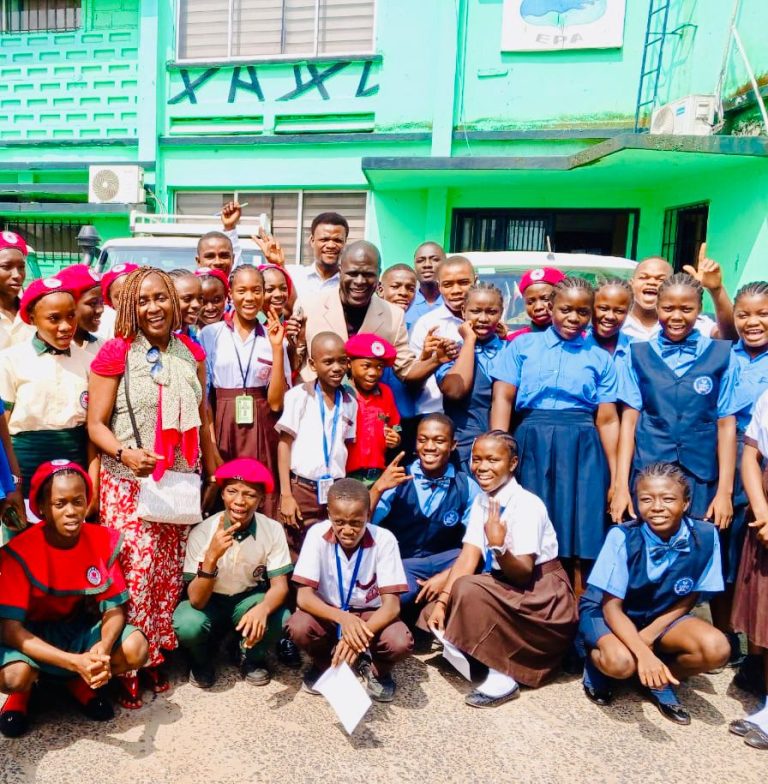
The Intersectoral Department of the Environmental Protection Agency (EPA) recently concluded a one-day waste management awareness program with students from Maranata Elementary School, Kings and Queens Elementary School, and the School of Christ Russell Foundation in Monrovia. The event took place at the Green Conference Hall of the agency and aimed to educate students on the importance of proper waste management and environmental protection.
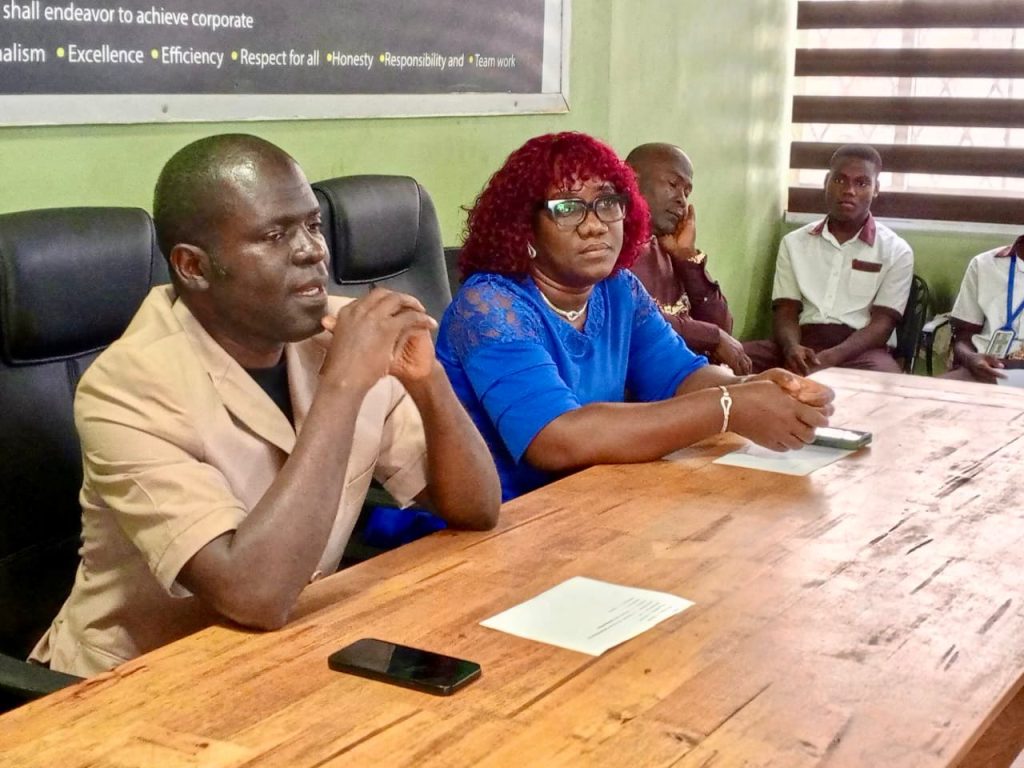
In his opening remarks, Dr. Emmanuell K. Urey Yarkpawolo, Executive Director of the EPA, emphasized the agency’s role in guiding the responsible use of the country’s resources to prevent environmental damage for future generations. He urged attendees to recognize that protecting the environment is everyone’s responsibility and encouraged the students to remain dedicated to their educational journeys while working towards building a better Liberia.
Dr. Yarkpawolo shared his own experience of perseverance, noting that he did not attend school until he was nearly 14 years old. He highlighted that through hard work, he has achieved significant educational success, including obtaining a PhD, and he encouraged students to be sincere in their efforts, stating that sincerity is crucial for the country’s development.
During the event, Momo Kamara from the outreach unit of the EPA spoke about the detrimental effects of improper waste management. He warned that practices such as dumping garbage in drainage systems, rivers, streets, and swamps contribute to flooding and health issues. Kamara also cautioned against burning waste, explaining that this not only poses serious health risks but also contributes to ozone layer depletion and climate change.
Participants expressed their appreciation for the workshop, thanking the Executive Director and EPA staff for organizing such an informative event. They requested more awareness programs in the future to continue educating the public about environmental protection.
The event highlighted the significance of waste management, which includes the planning, coordination, and implementation of practices related to waste generation, handling, treatment, storage, transportation, and disposal. It was noted that waste can be categorized as either biodegradable—such as food scraps, paper, and yard waste—or non-biodegradable, such as plastics and metals.
The EPA remains committed to fostering a culture of environmental stewardship among young people in Liberia, aiming for a cleaner and more sustainable future.